Hello and Welcome to Neon Tattoo
Please enjoy some tattoos in our gallery
Glow Boldly
Your future neon tattoo marketplace, alive with electric designs.
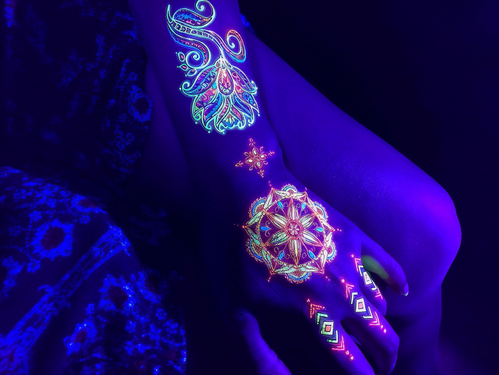
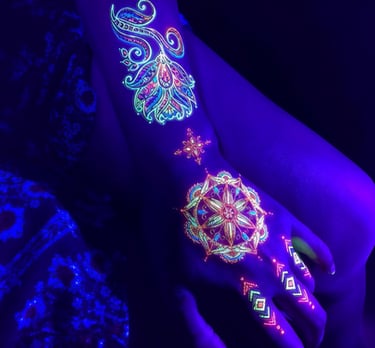
Imagine launching a vibrant online platform that showcases the latest in neon-inspired tattoo art, offering a curated selection of designs that glow with electric hues. This could be a haven for tattoo enthusiasts seeking unique, eye-catching designs that stand out. With the growing popularity of neon tattoos, especially among younger audiences active on social media, there's a clear demand for such a niche marketplace. By focusing on this trend, you can tap into a community eager for fresh, bold tattoo ideas that make a statement.
NEON TATTOOS
If you have any questions or would like to purchase the Domain Name Neon.Tattoo
please use the form at the bottom of the page. Thanks!
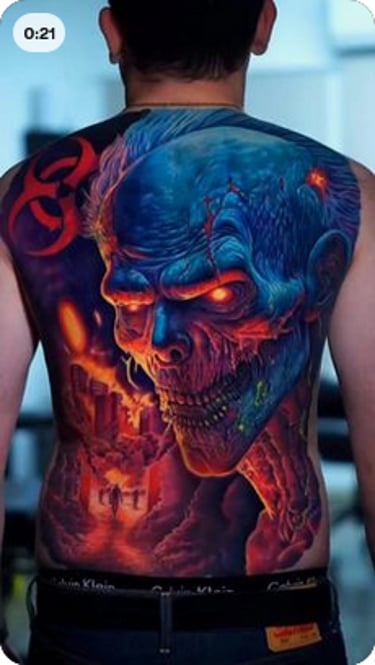
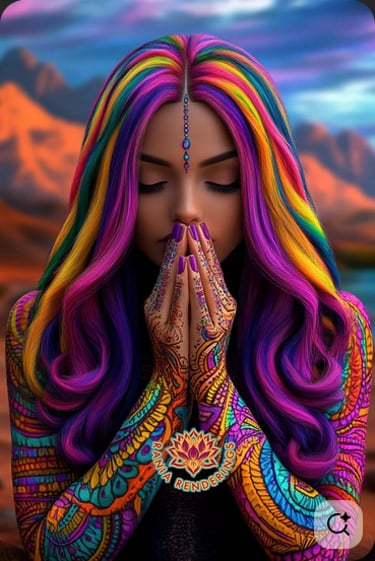
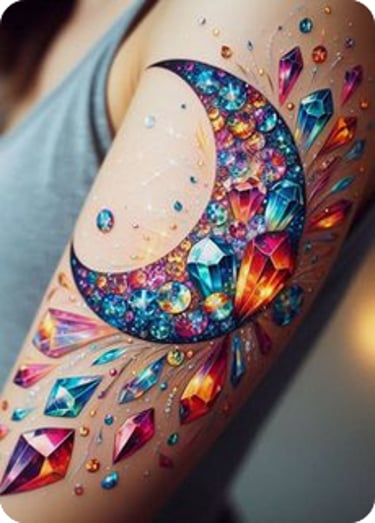
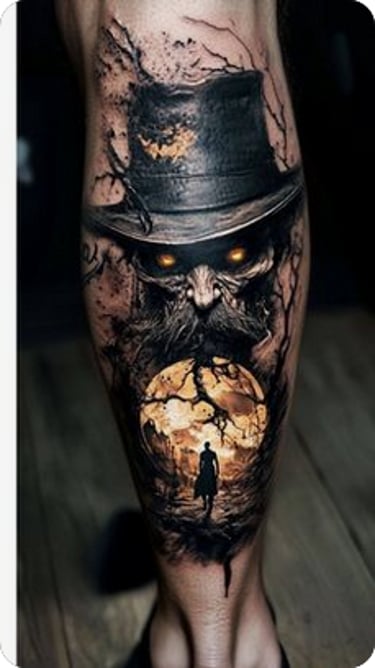
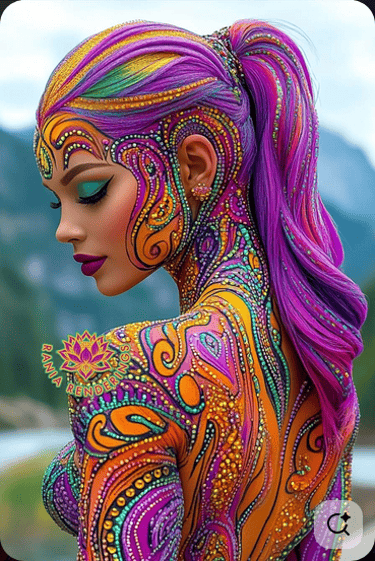
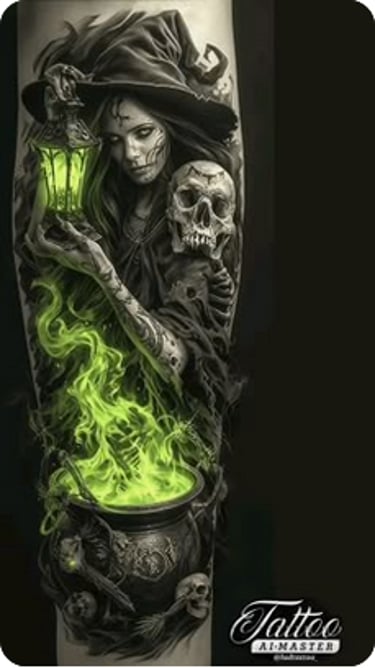
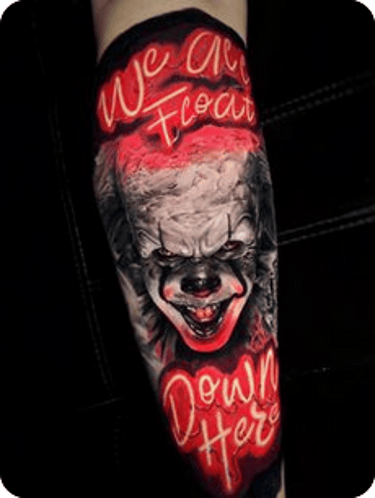
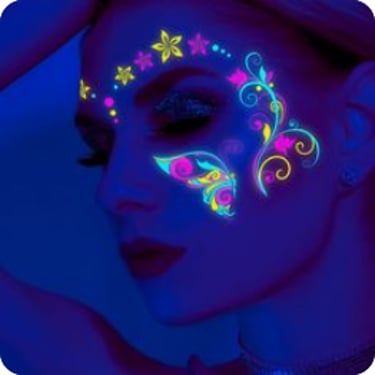
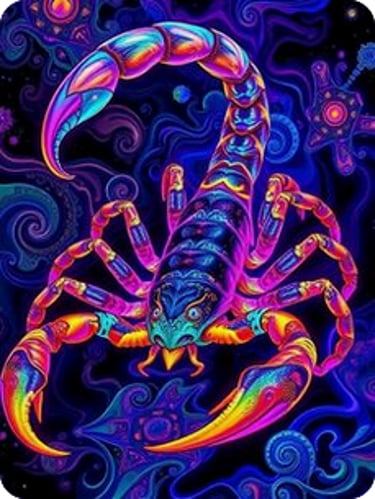
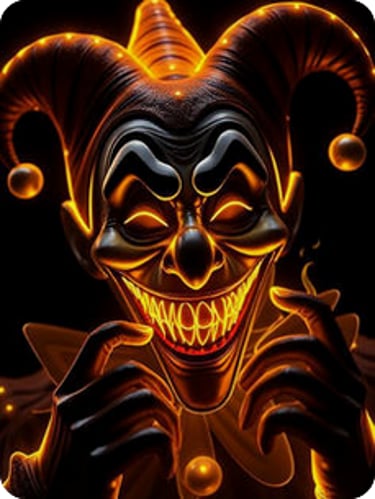
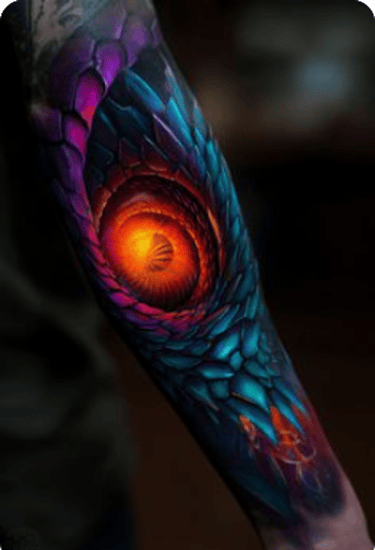
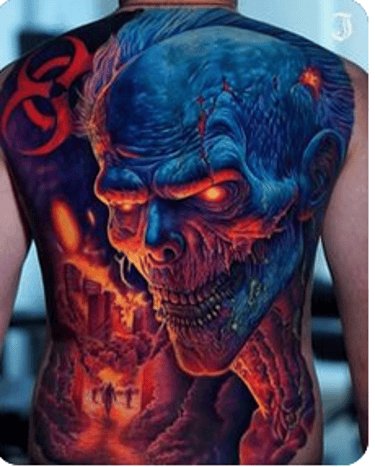
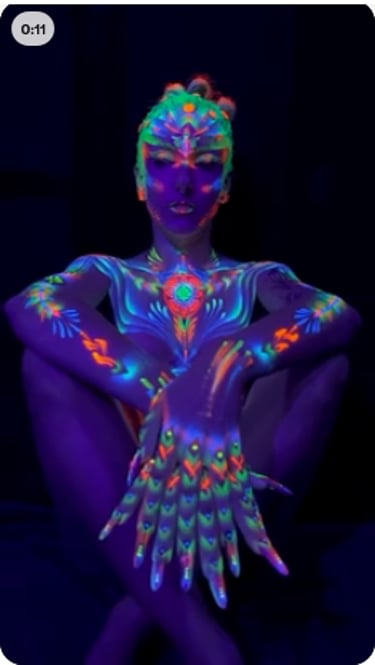
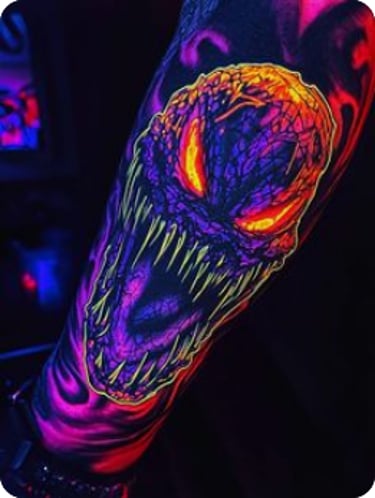
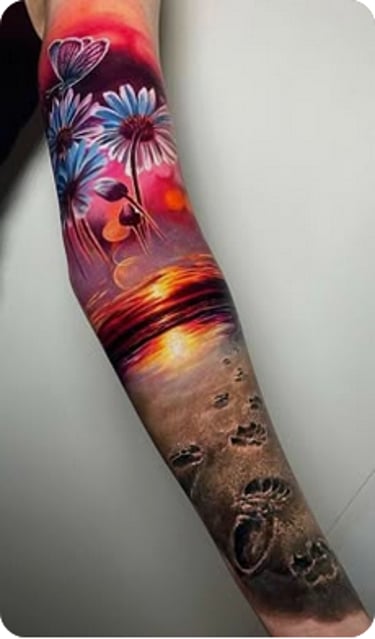
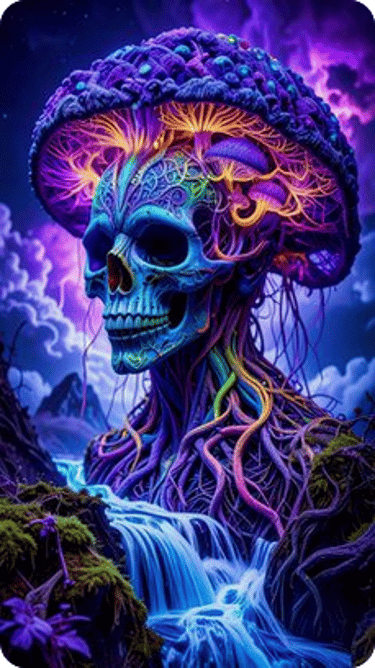
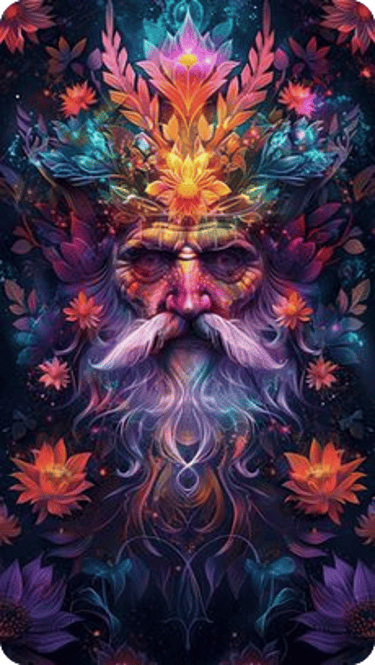
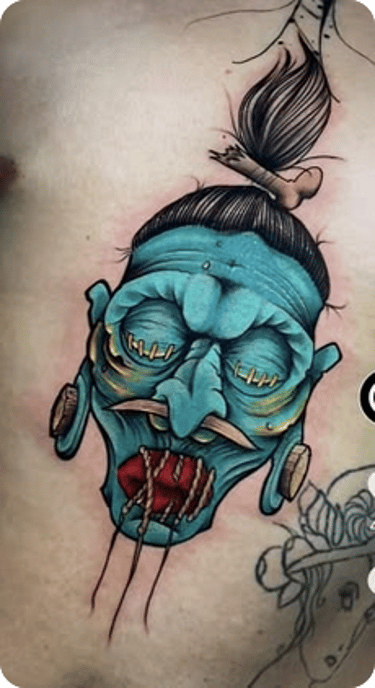
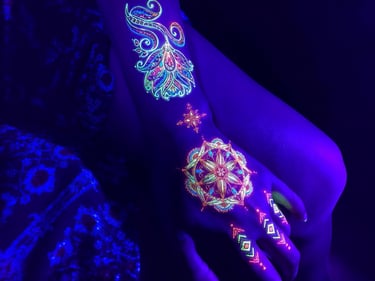
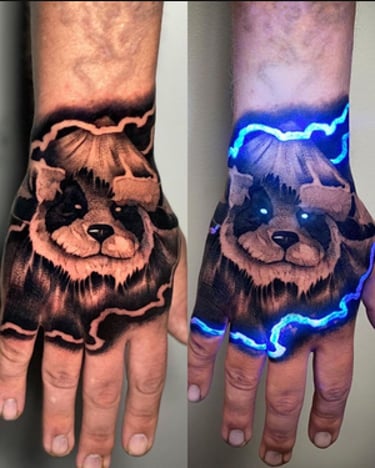
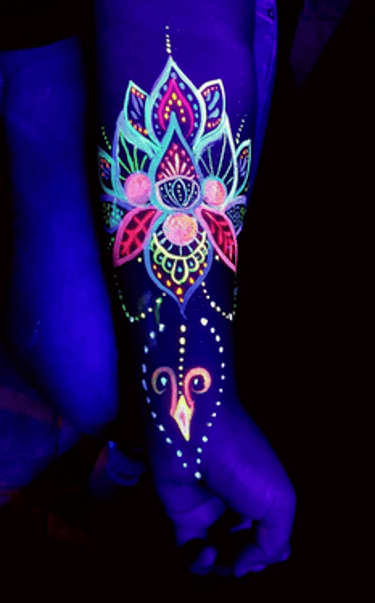
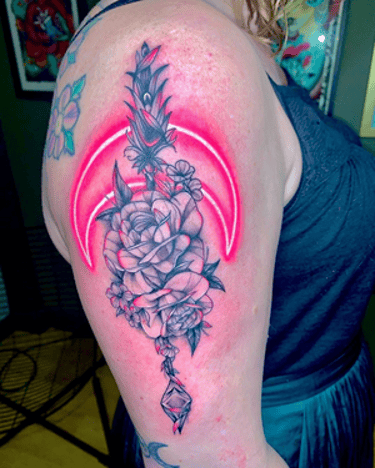
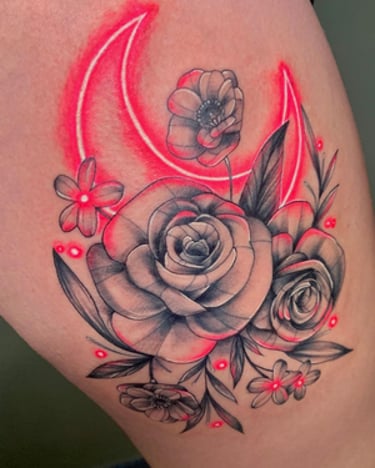
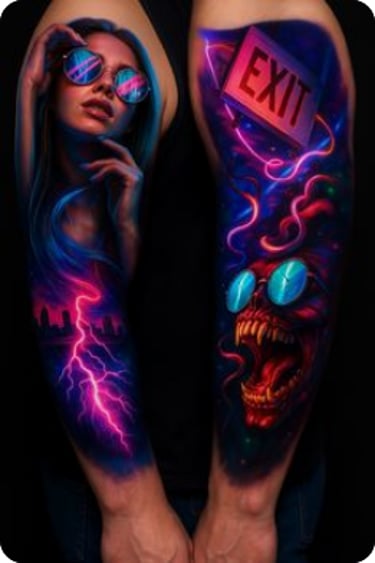
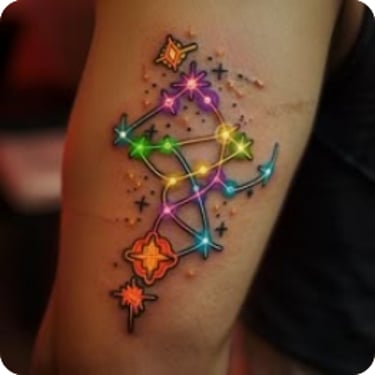
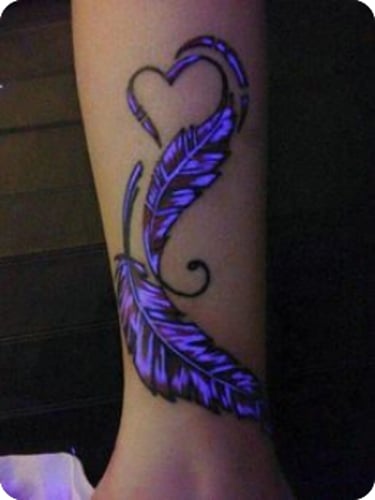
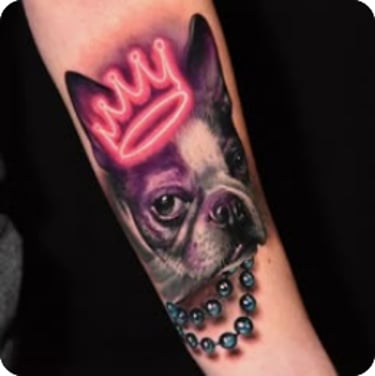
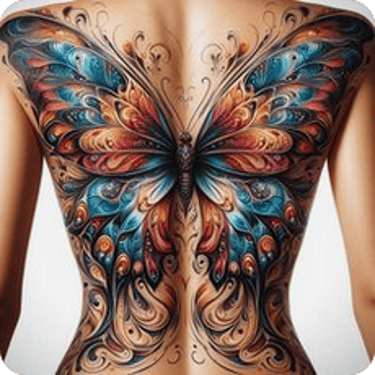
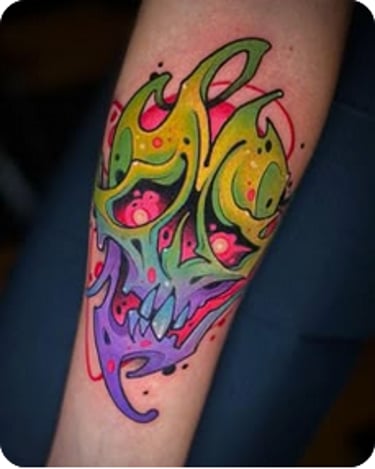
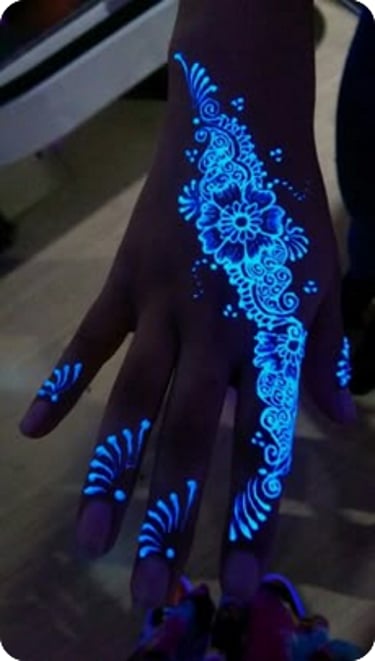
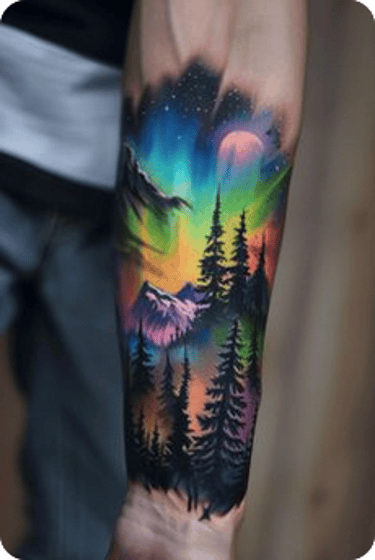
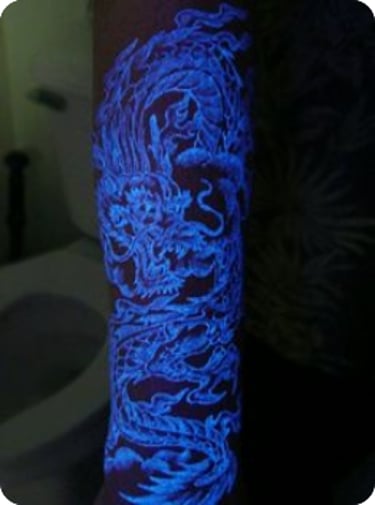
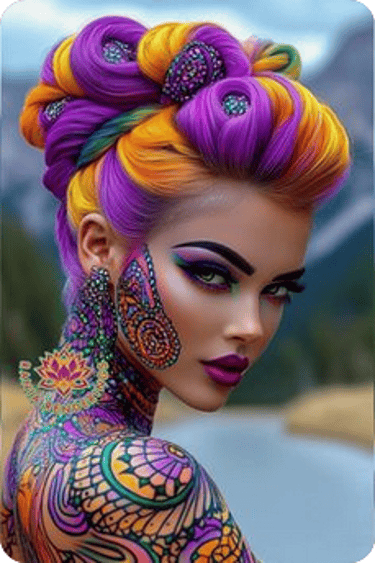
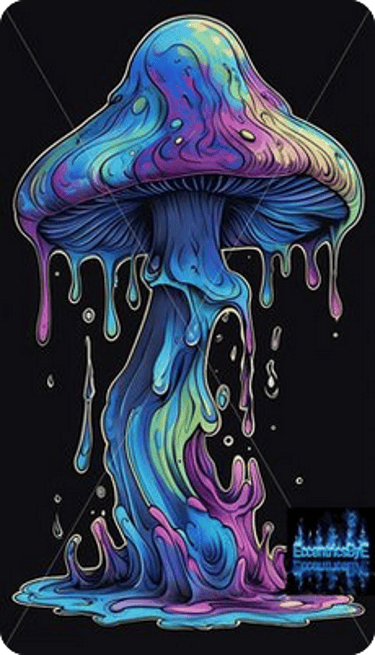
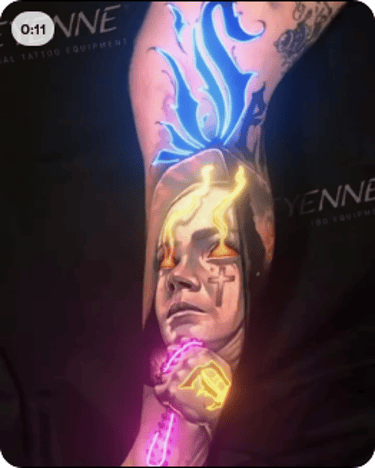
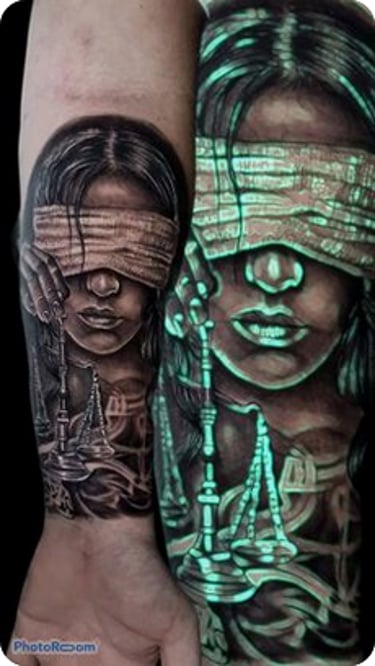
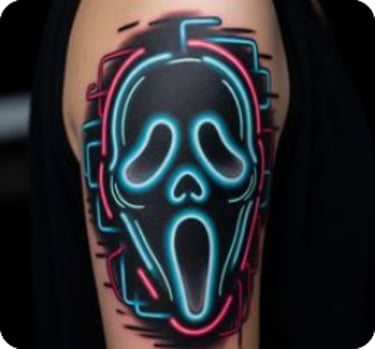
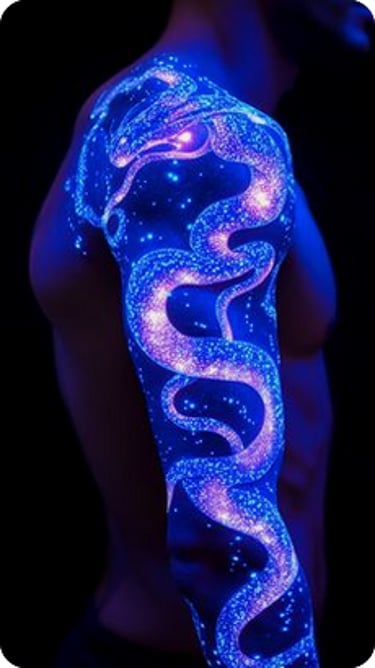
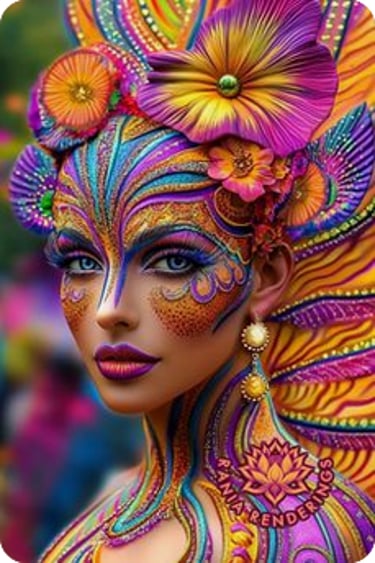
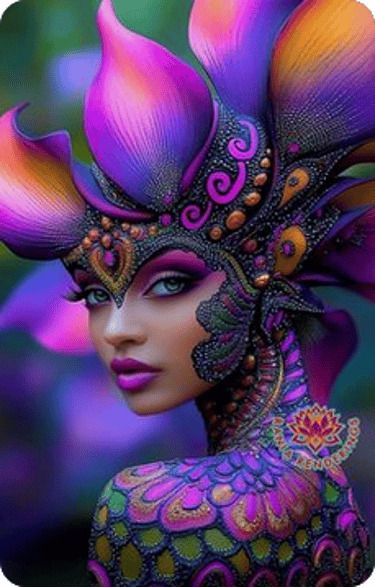
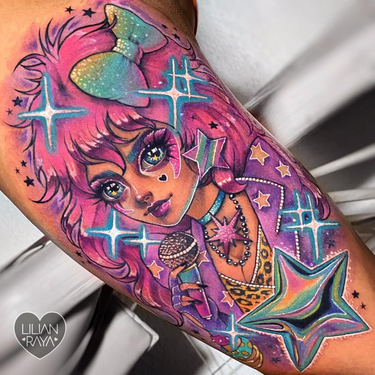
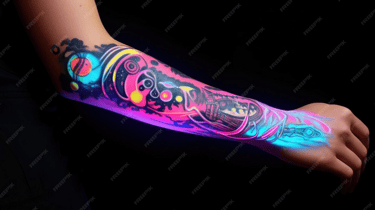
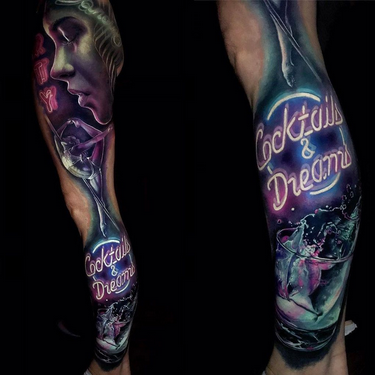
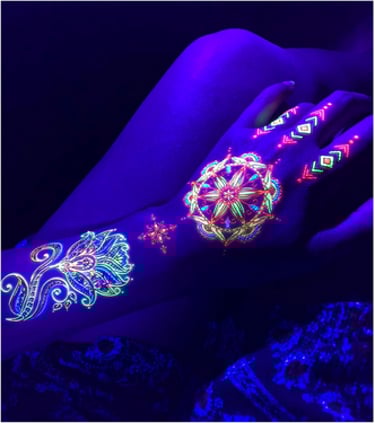
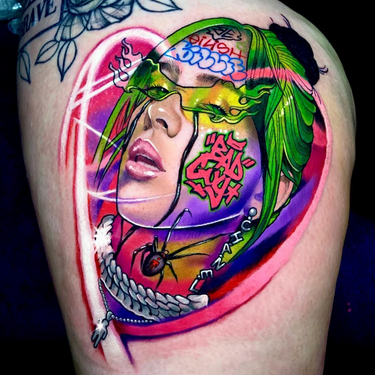
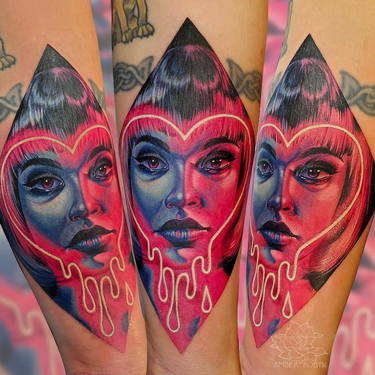
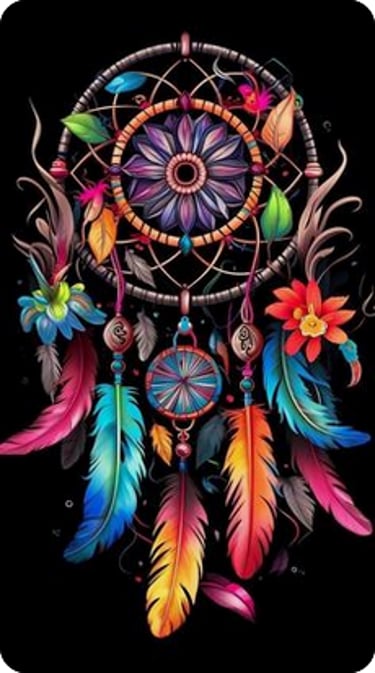
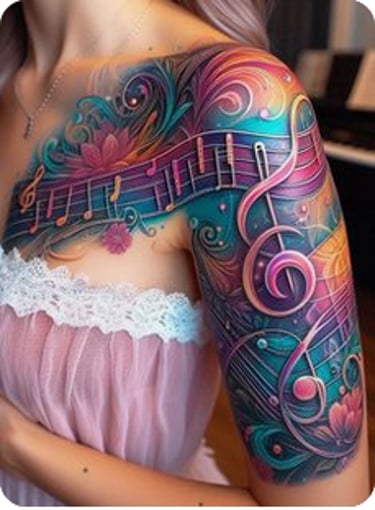
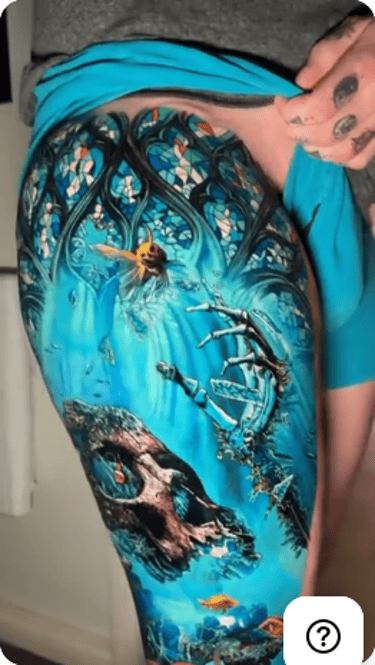
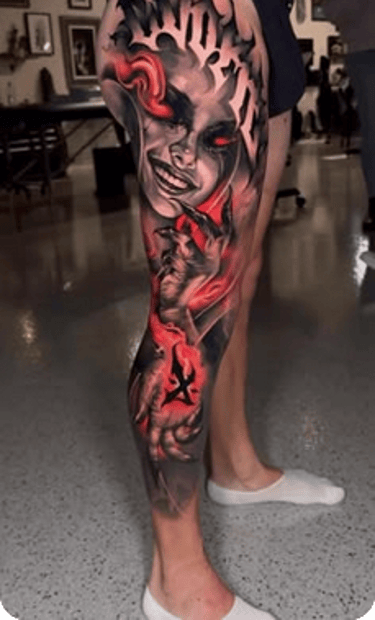
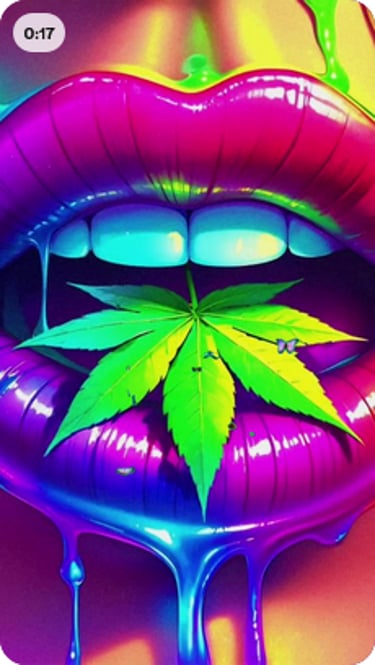
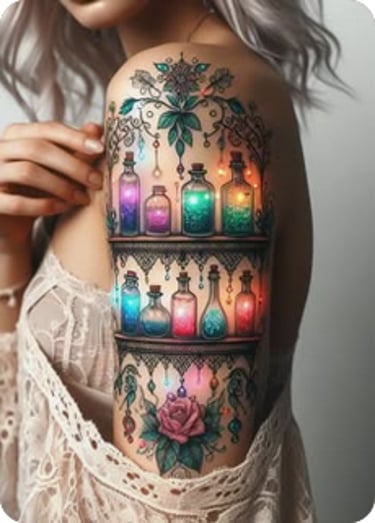
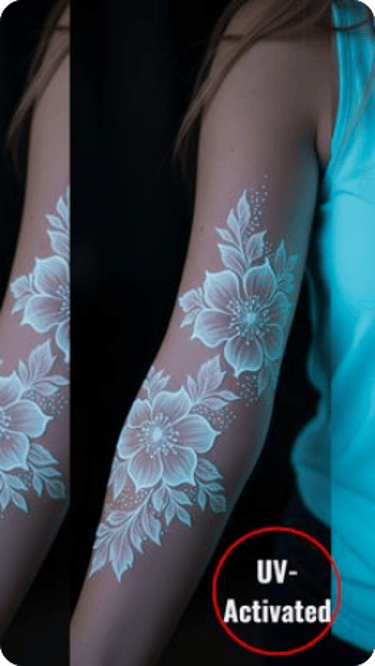
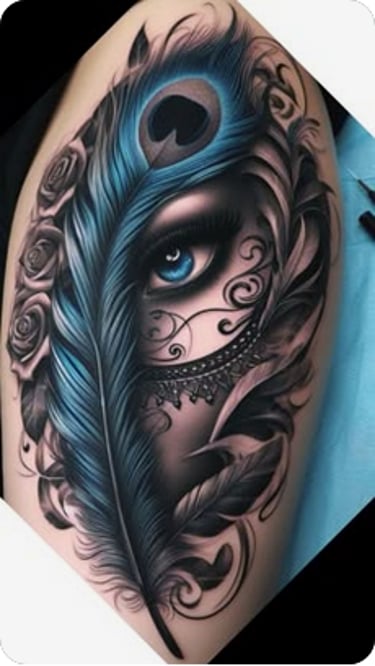
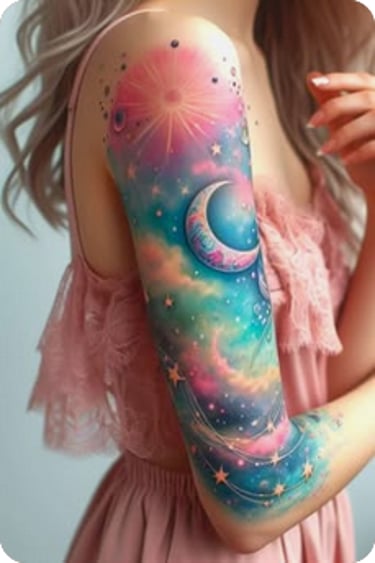
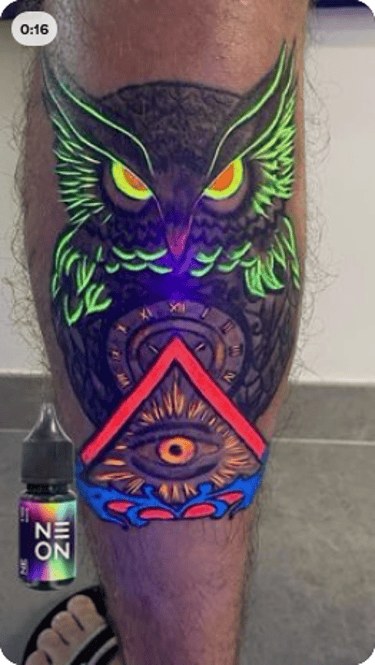
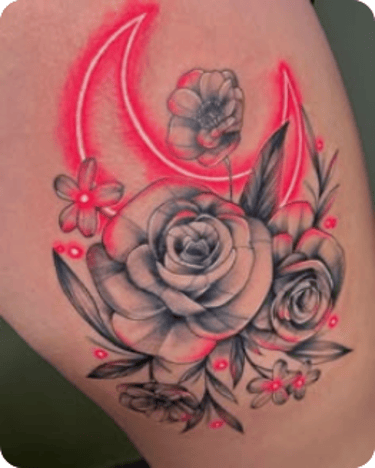
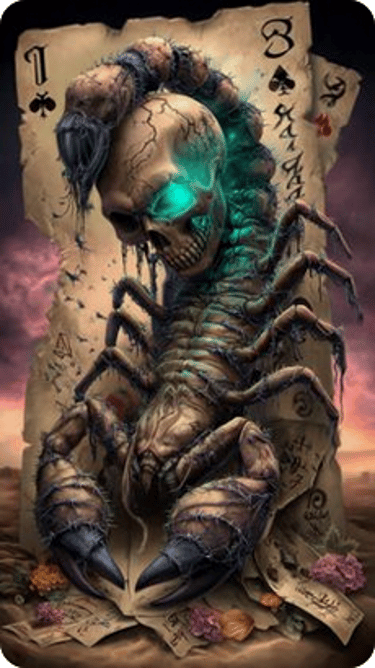
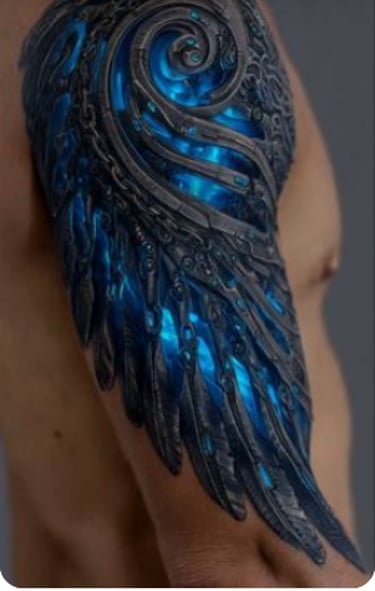
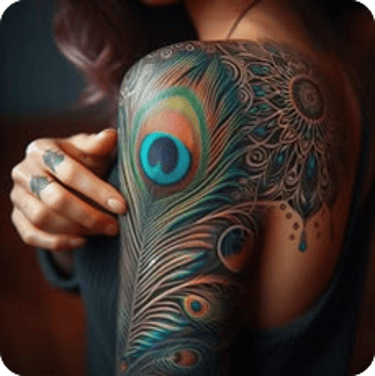
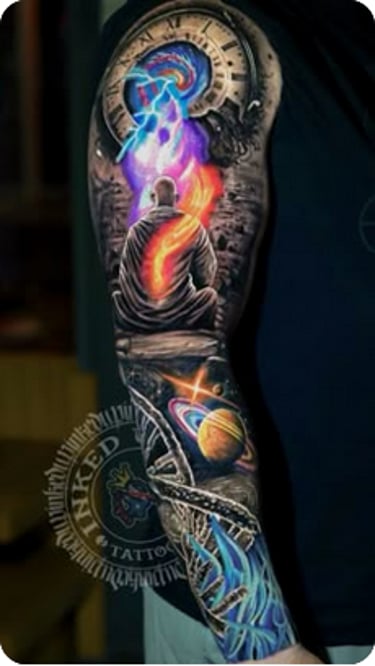
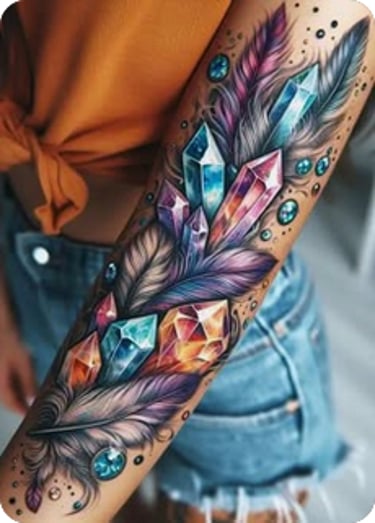
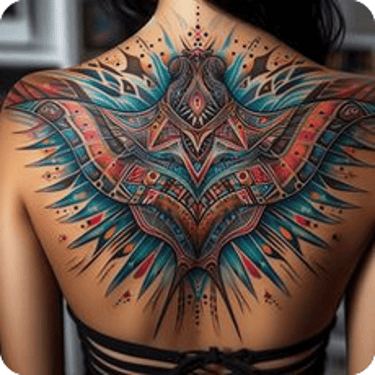
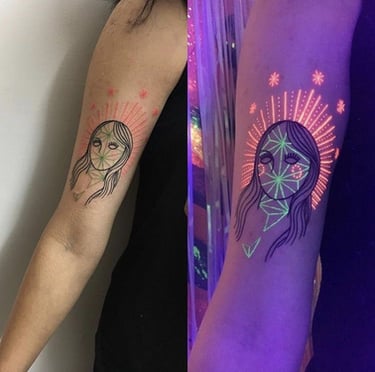
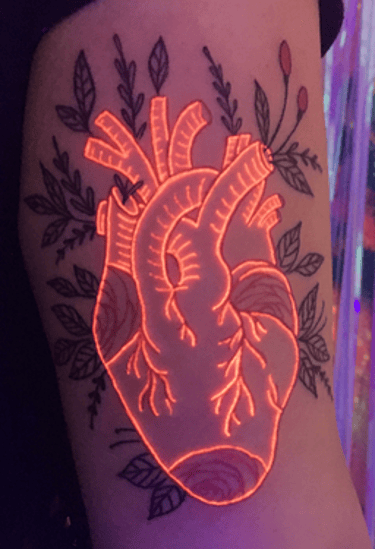
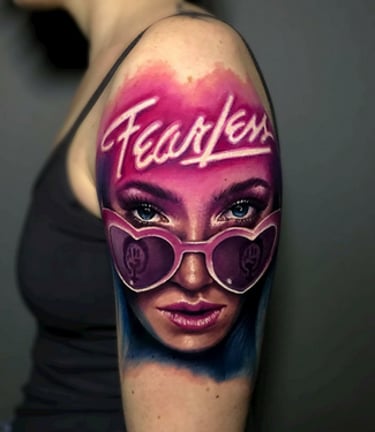
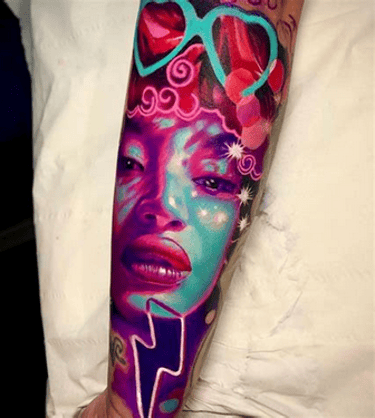
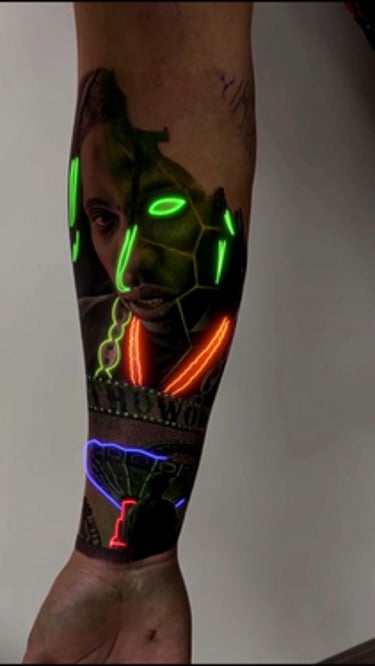
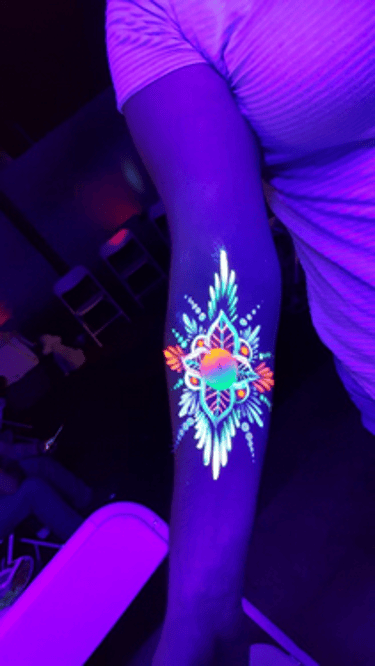
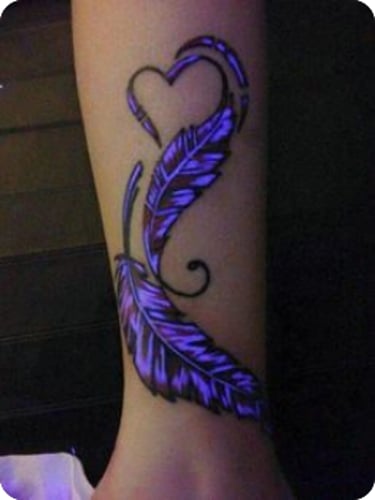
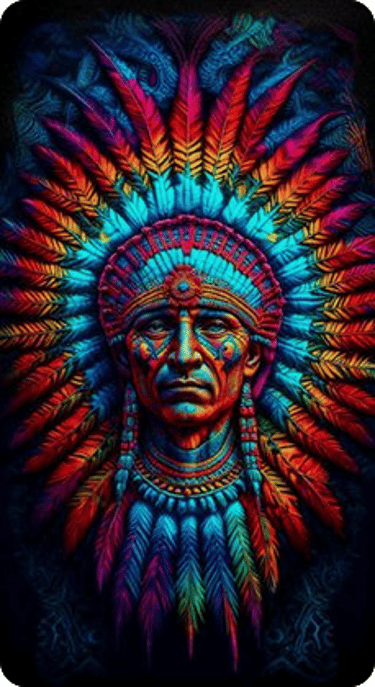
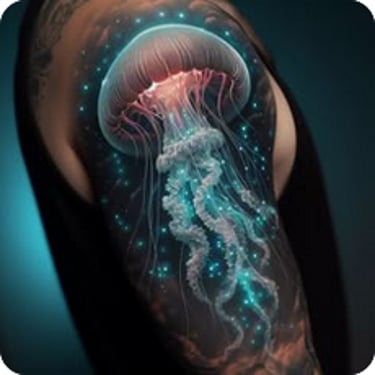
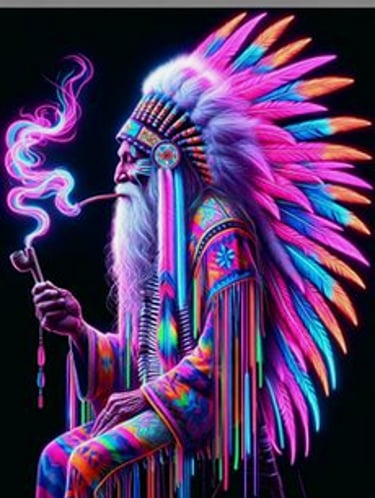
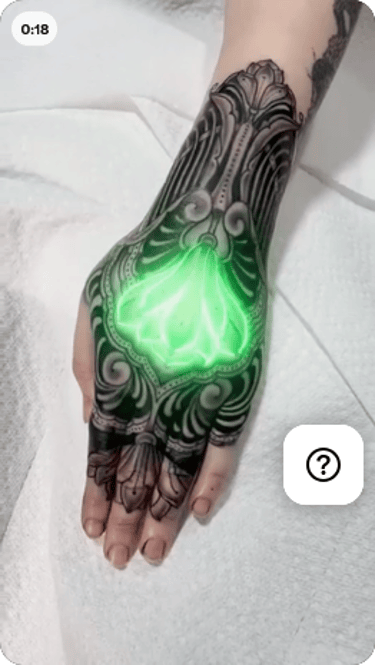
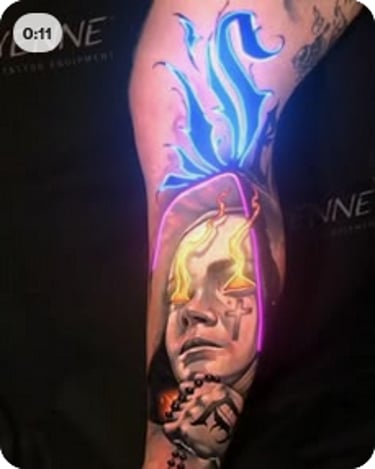
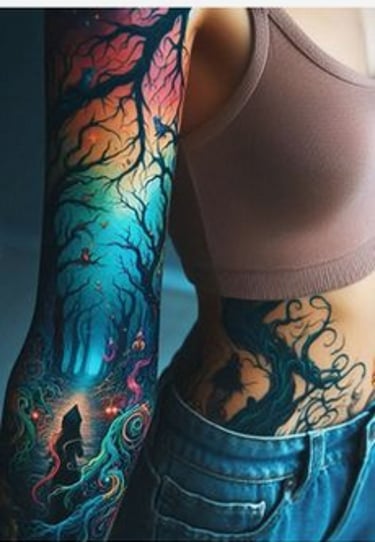
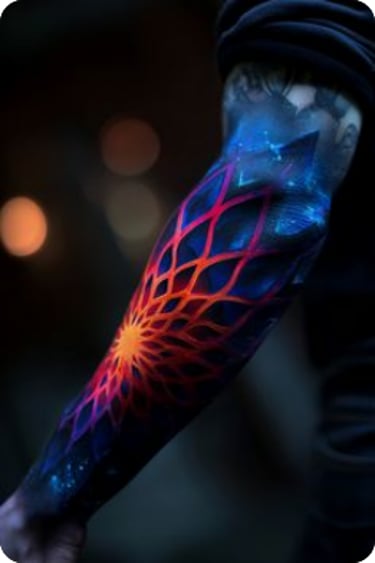
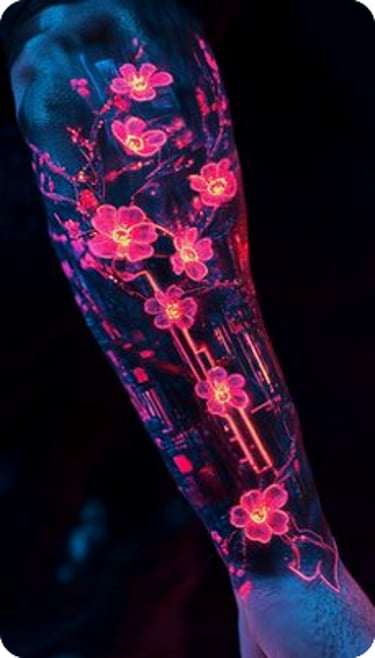
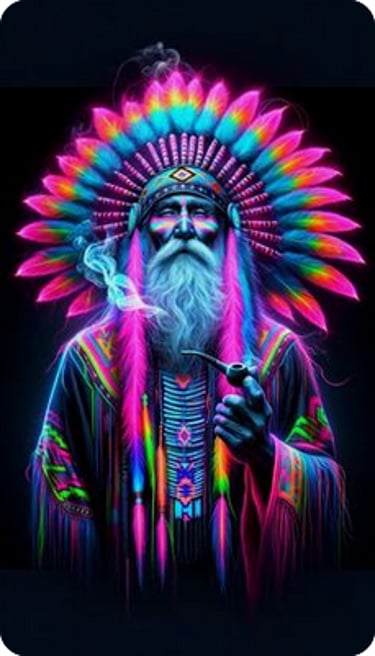
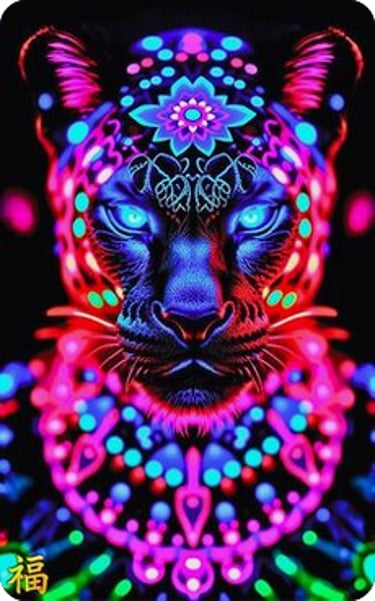
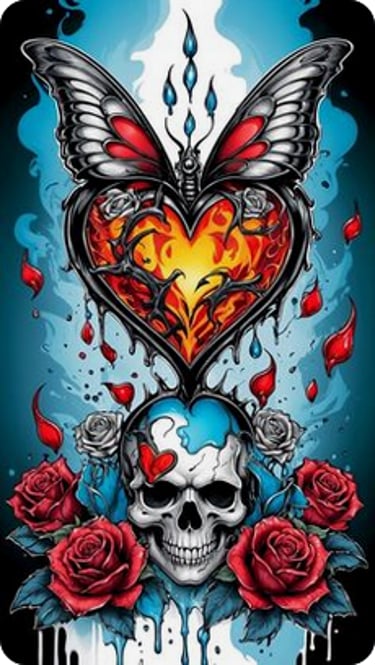
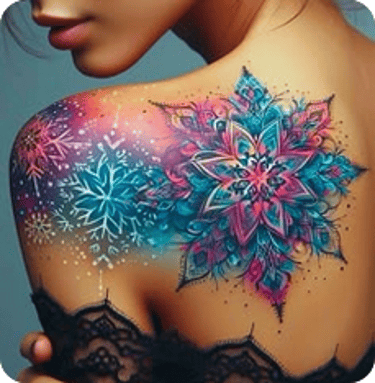
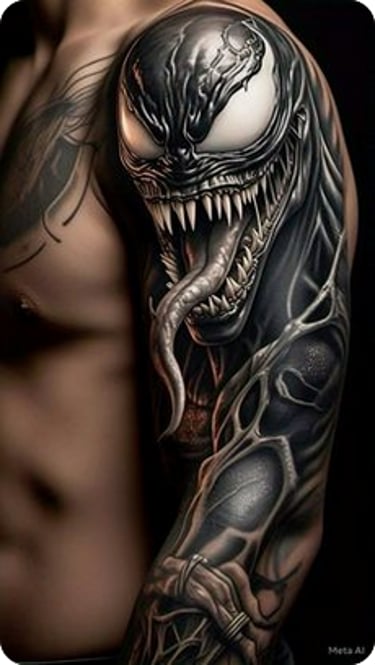
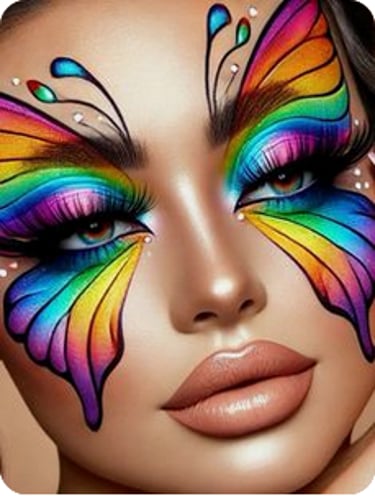
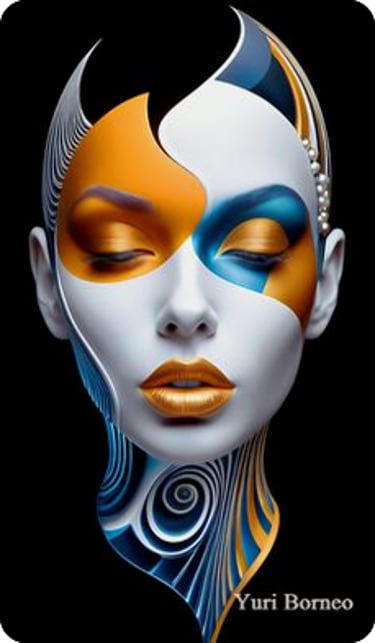
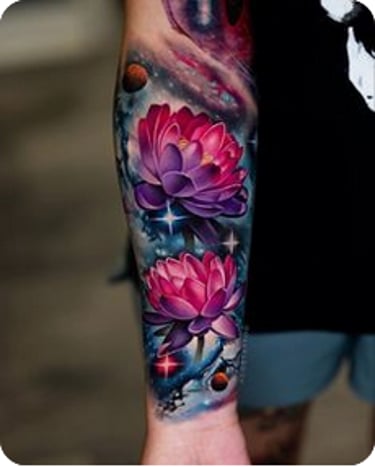
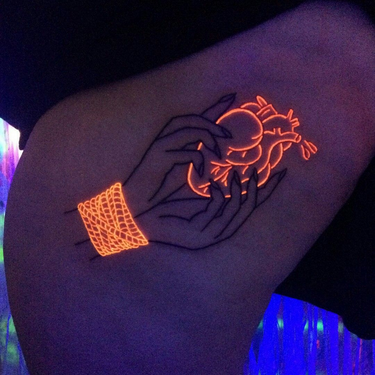
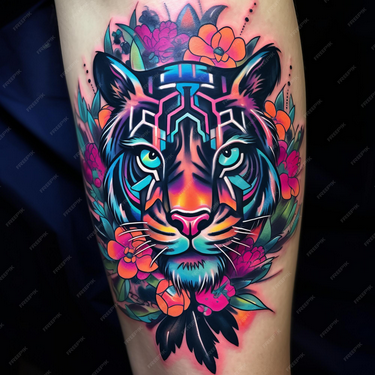
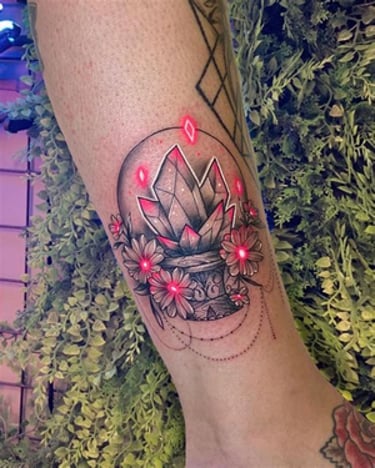
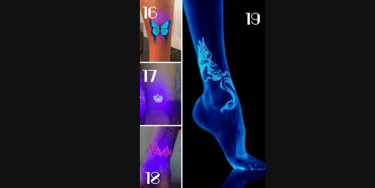
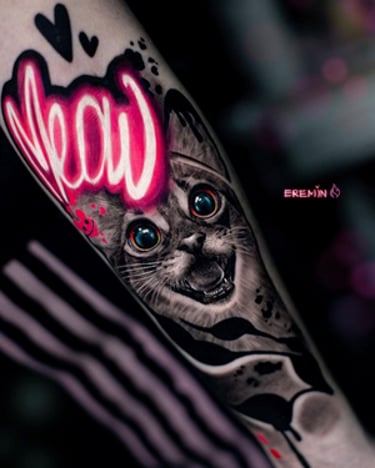
Please enjoy some Neon Designs from Tattuoso's around the world.
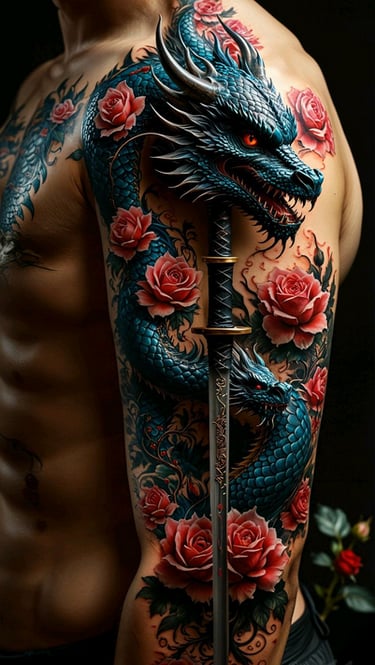
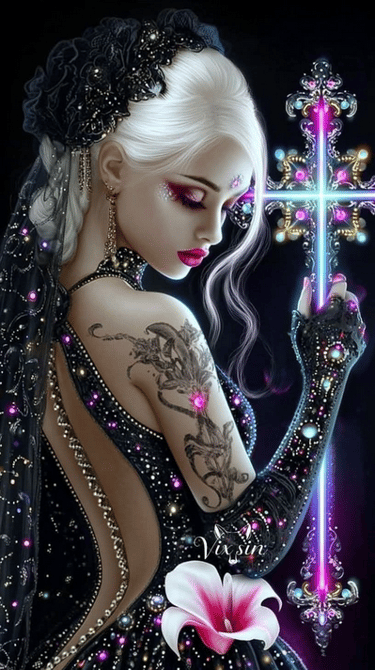
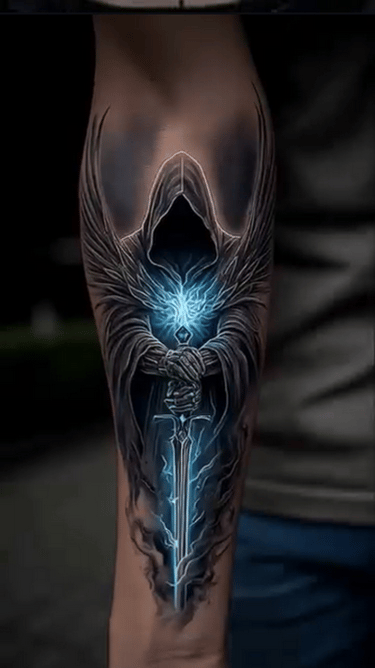
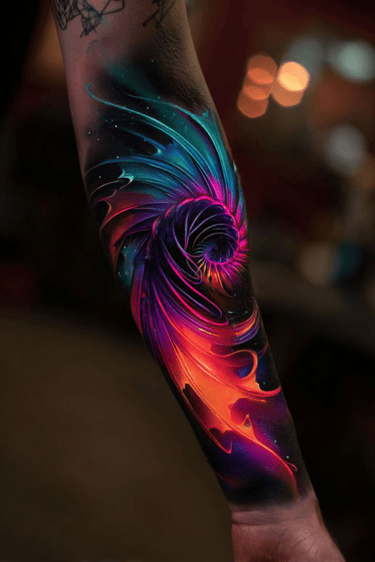
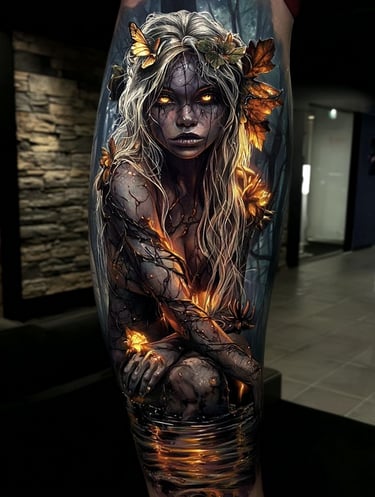
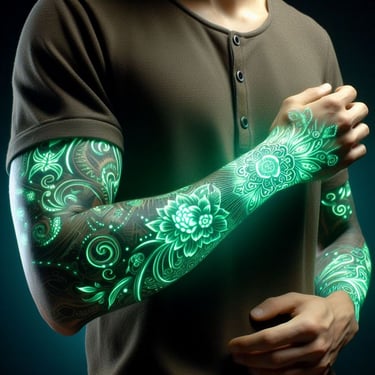
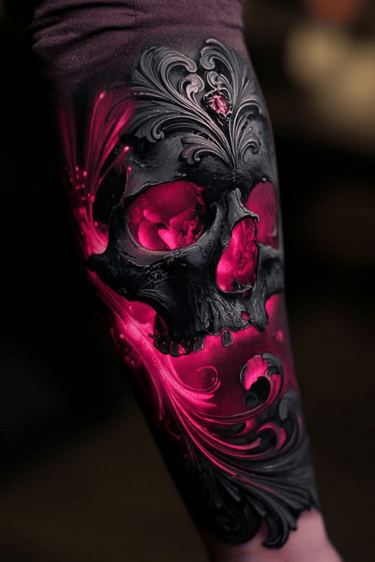
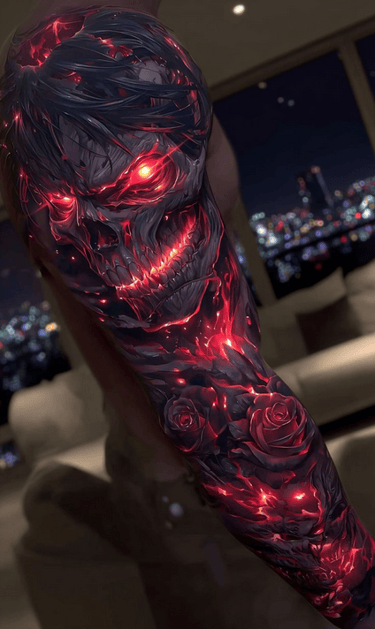
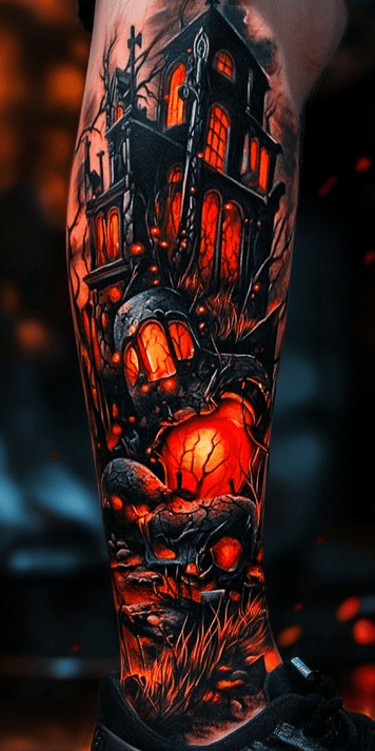
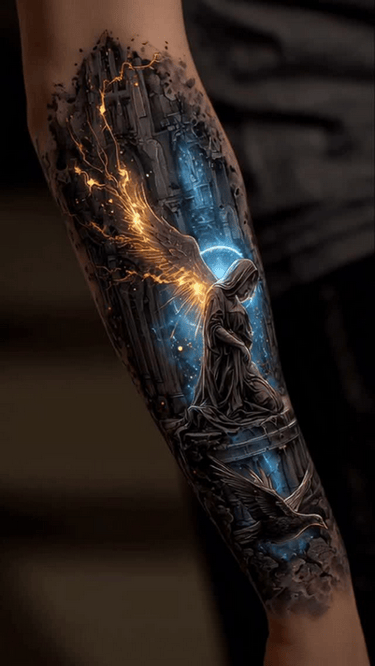
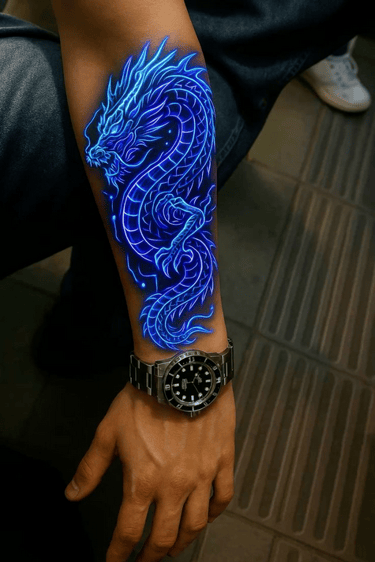
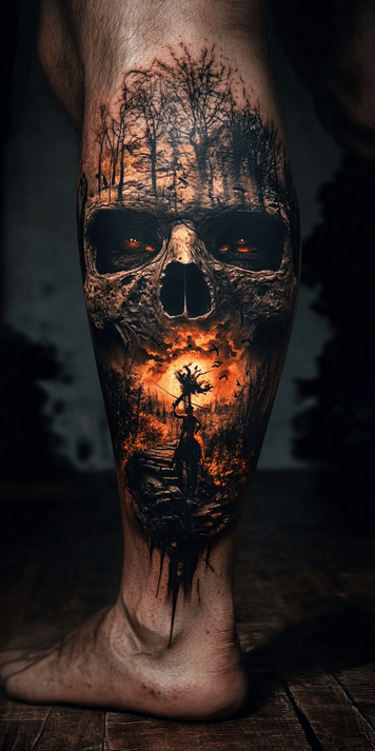
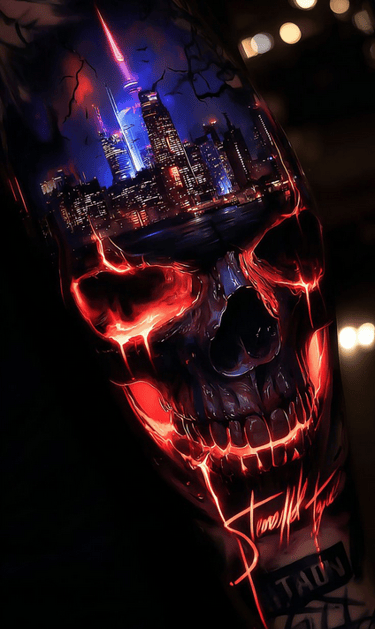
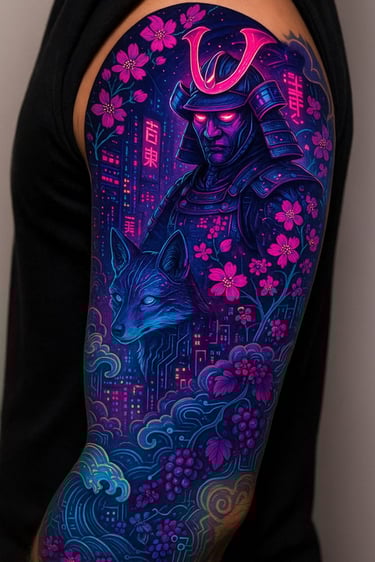
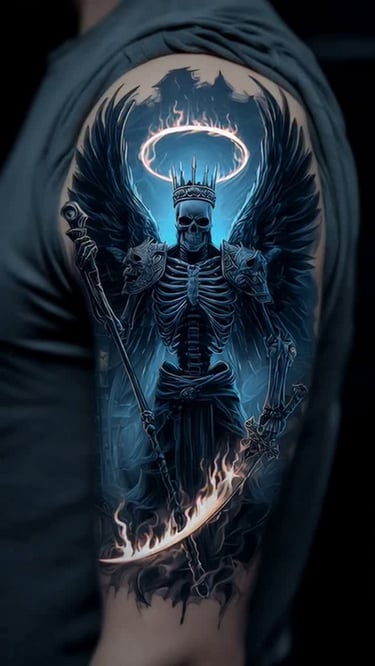
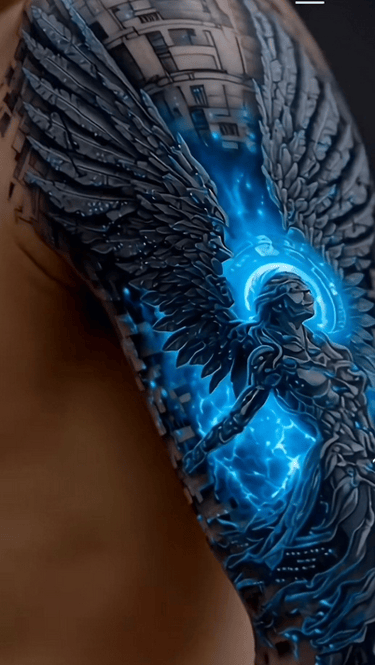
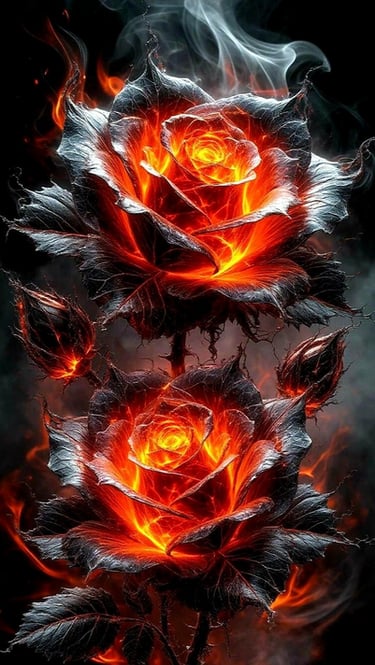
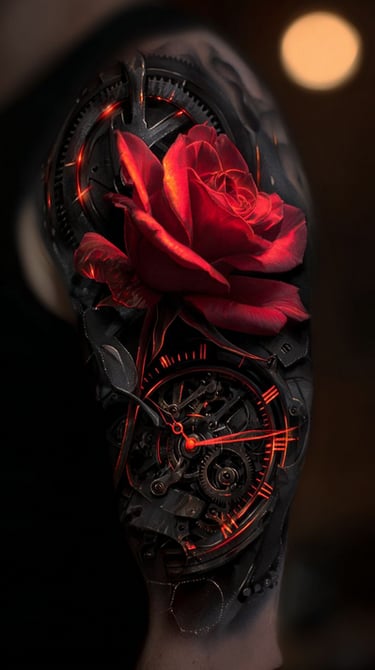
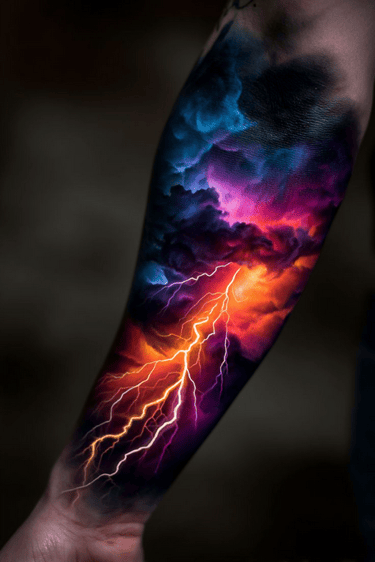
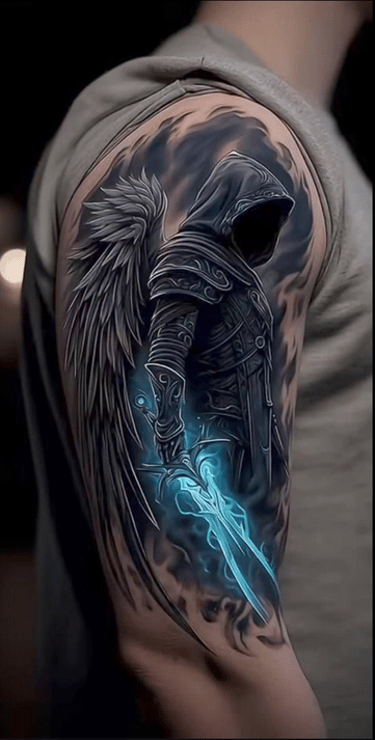
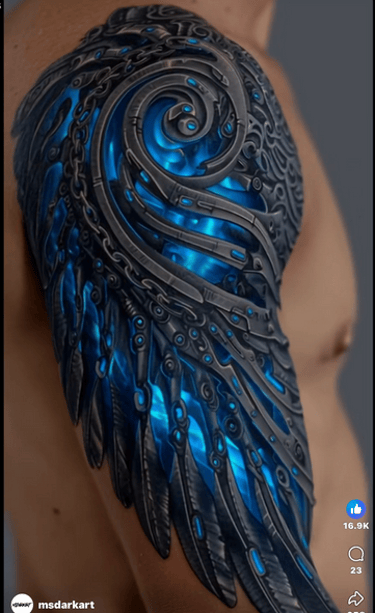
Neon tattoos are a bold trend in body art, celebrated for their vibrant colors and glowing, electric effects. Inspired by neon lights, these tattoos feature intense hues like bright pinks, blues, and greens, creating eye-catching designs that stand out day or night. Popular among fashion-forward individuals and artists seeking a unique statement, neon tattoos offer a futuristic look and showcase advanced ink techniques. Their beauty lies in the striking contrast and luminous style, making each piece a true work of art. Embrace the intensity and popularity of neon tattoos—where color meets creativity in the most dazzling way.
Neon tattoos = high-contrast, high-saturation “glow” effects, usually simulating LED signs or blacklight neon tubes.
They’re created with standard tattoo pigments, not actual light-emitting or glow-in-the-dark tech (despite the hype).
Common elements:
Dark background or heavy contrast
Gradients from almost white/yellow to saturated color
“Halo” or rim light around the main line to mimic a glow
Themes: cyberpunk, sci‑fi, cityscapes, anime, gaming, bio-organic, and “neon sign” lettering.
2. Brief history of the style
1990s–early 2000s: groundwork
Bright color work exists for decades, but new-school tattooing (bold outlines, cartoony color explosions) pushed vibrancy and contrast.
Pigment tech improved: more stable bright inks became widely available; artists started testing extreme color blends.
Mid–late 2000s: realism + digital influences
Color realism and photo-realistic tattoos spread globally; tattooists began emulating lighting, reflections, and glows from photography and cinema.
As digital art and Photoshop/Procreate became standard, the idea of painting a “neon glow” translated into tattoo design.
2010s: cyberpunk and “neon sign” aesthetics
Pop culture (e.g., Tron: Legacy, Blade Runner 2049, synthwave art, vaporwave aesthetics, gaming) popularized:
Neon cityscapes
Pink/blue/teal palettes
Glowing circuitry, holograms, and LED-style typography.
Tattoo artists started producing LED sign tattoos, neon animals, neon skulls, and cyberpunk portraits, and posting them on Instagram—this is when the “neon tattoo” term really stuck among clients.
Late 2010s–2020s: social-media-driven micro-trend
Instagram, TikTok, and Pinterest boosted visibility. Short clips showing a “glow” effect under low lighting or edited images made the style go viral.
Now, neon tattoos are one of many micro-styles: like watercolor, glitch, ornamental, etc.—often mixed with realism, anime, or biomech.
3. Notable artists known for neon/glow styles
These artists are often cited for neon, cyberpunk, or glow-heavy color work (not exhaustive and not “official rankings”):
Eva Krbdk (Turkey/US) – Famous for micro-tattoos, but also plays with bright, almost neon palettes and tiny scenes in glowing color.
Sasha Unisex (Russia/Europe) – Known for geometric watercolor, often uses very bright, synthetic-looking color schemes that read “neon.”
Andrey Lukovnikov (Germany) – High-contrast color and graphic neon-like effects in illustrative designs.
Inal Bersekov (Canada) – Mostly black-and-grey realism, but known to integrate selective colored light/glow effects.
Nikko Hurtado (US) – Legendary for color realism; while not “neon only,” his work helped normalize hyper-saturated light sources in tattoos.
Oleg Tattoo / Oleg Shepelenko (various shops in Europe) – Does cyberpunk, sci‑fi, and neon-like glowing tech.
Mat Rule, Dillon Forte, and other geometric artists sometimes incorporate UV-reactive ink to accent a glow under blacklight.
Numerous artists on Instagram/Behance specifically hashtag their work as:
#neontattoo
#neonink
#cyberpunktattoo
#glowtattoo
#blacklighttattoo (not always accurate, but often overlapping visually)
Because neon is more of a look than a technical category, many “neon” specialists are actually realism or illustrative artists who’ve leaned heavily into this palette and lighting.
4. Techniques and how the “glow” is created
Artists typically use a combination of:
High contrast
Dark background or surrounding skin vs. very bright central lines.
Glow is strongest when the contrast is stark.
Value gradients
A neon “tube” isn’t just one line of color. It often uses:
Near-white or pale yellow at the brightest point
Then the main color (cyan, magenta, lime, etc.)
Then darker tones or background color fading out.
Soft glows / halos
Careful soft shading around the line to simulate light spilling onto nearby surfaces.
Strategic use of complementary and analogous colors (e.g., magenta + blue, cyan + purple).
Strategic placement
Neon is often used as edge lighting on objects—like a face lit from one side by a neon sign.
This can create a very cinematic effect (think movie poster lighting).
5. UV / “blacklight” and “glow in the dark” myths
Common confusion points:
Most neon-looking tattoos do not actually glow under UV or in the dark; they just look like they do.
UV-reactive inks do exist:
They fluoresce under blacklight (UV light) but are often more muted in normal daylight.
Safety and longevity are debated; regulations differ by country.
Many experienced artists avoid full pieces in UV-only ink and instead use it as small accents.
There’s currently no safe, widely accepted pigment that literally emits visible light by itself. Any “glow in the dark without light” claims should be treated very skeptically.
6. Health, longevity, and technical considerations
Fading: Bright neon-like colors (especially pinks, yellows, some light greens) can fade faster than deep blues or blacks, especially if:
Sun protection is poor
The tattoo is very shallow or overworked
Skin tone matters: Neon effects rely on contrast. On darker skin, artists often:
Use more solid blocks of color
Rely on brighter, opaque pigments rather than subtle soft blends.
Ink safety:
Regulations around pigment ingredients have tightened (e.g., EU REACH rules), affecting some bright inks. Many manufacturers reformulated colors.
Not all bright or UV inks are equally tested; reputable studios will use well-known, compliant brands and be transparent.
Style aging:
Neon tattoos can age gracefully if done with good technique, but the super-fine glowing halos will usually soften.
Clients should expect the look to remain “bright,” but the crisp digital glow may blur slightly over years.
7. Cultural and visual influences
The neon tattoo aesthetic borrows heavily from:
Cyberpunk: neon cityscapes, holographic ads, glowing wires (think Blade Runner, Cyberpunk 2077).
Synthwave / vaporwave: pink–purple–blue gradients, sunsets, grids, retro-’80s neon signage.
Gaming & anime: glowing swords, magic effects, power auras, and UI elements.
Street art & signage: actual neon tube signs, LED billboards, graffiti accents.
This cross-pollination makes neon tattoos feel very digital—like concept art or a screenshot.
8. Business angle: demand and positioning
If you’re thinking in terms of “neon tattoo business” as a niche:
Demand is trend-driven: peaks on social media waves, then stabilizes. It’s not a fad like a single meme; it’s more like watercolor tattoos—has staying power, but hype fluctuates.
Many shops:
Use neon tattoos as a portfolio differentiator
Brand themselves around “color realism” or “illustrative neon & cyberpunk”.
For artists and studios:
Having a dedicated Instagram/website section for neon/glow work helps attract the right clients.
Educating clients about fading, aftercare, and realistic expectations is crucial for long-term satisfaction.
A bit of History and some Facts about Neon Tattoos
If you are interested in purchasing the Domain Name Neon.Tattoo please use the contact form below.
Your future hub for bold, glowing tattoo designs that electrify your style and spark conversation.

Contact Us
Questions or offers? Reach out anytime!
© 2025. All rights reserved.